Overview
Dementia is a clinical syndrome characterized by a pathological decline in multiple facets of cognitive functioning, including memory, language, and behaviour. Age is the largest risk factor for dementia, and with average age of the human population rising, dementia poses one of the biggest threats to public health.
At the Nygaard Lab, we focus on investigating Alzheimer’s disease and frontotemporal dementia using multiple different methods. At our core is the use of primary cell lines acquired from patients who visit the UBC hospital.
Alzheimer’s and Other Dementia Research.
Research Areas
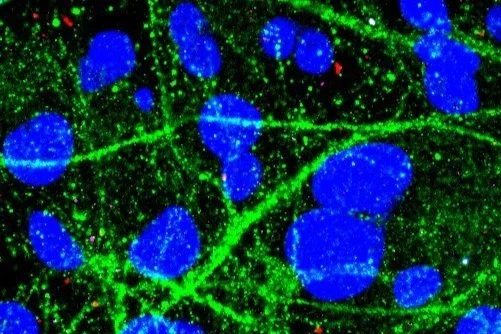
Stem Cell Models of Dementia
Pluripotent stem cells are cells capable of differentiating into any of the three germ layers of the body. Discovered by the lab of Shinya Yamanaka, human induced pluripotent stem cells are a type of pluripotent stem cell that can be produced directly from a somatic cell of an individual.
At the Nygaard Lab, we take blood samples from dementia patients who visit the Clinic for Alzheimer’s and Related Disorders and reprogram them to produce induced pluripotent stem cells. From these cells we are able to differentiate neural tissue that is representative of real patients with dementia. Currently, we possess stem cell and neural tissue lines from patients with multiple mutations causing Alzheimer’s disease, frontotemporal dementia, and Alexander disease. Utilizing these lines we are able to investigate the underlying pathophysiology and test potential drugs in these mostly untreatable diseases.
3D Bioprinting
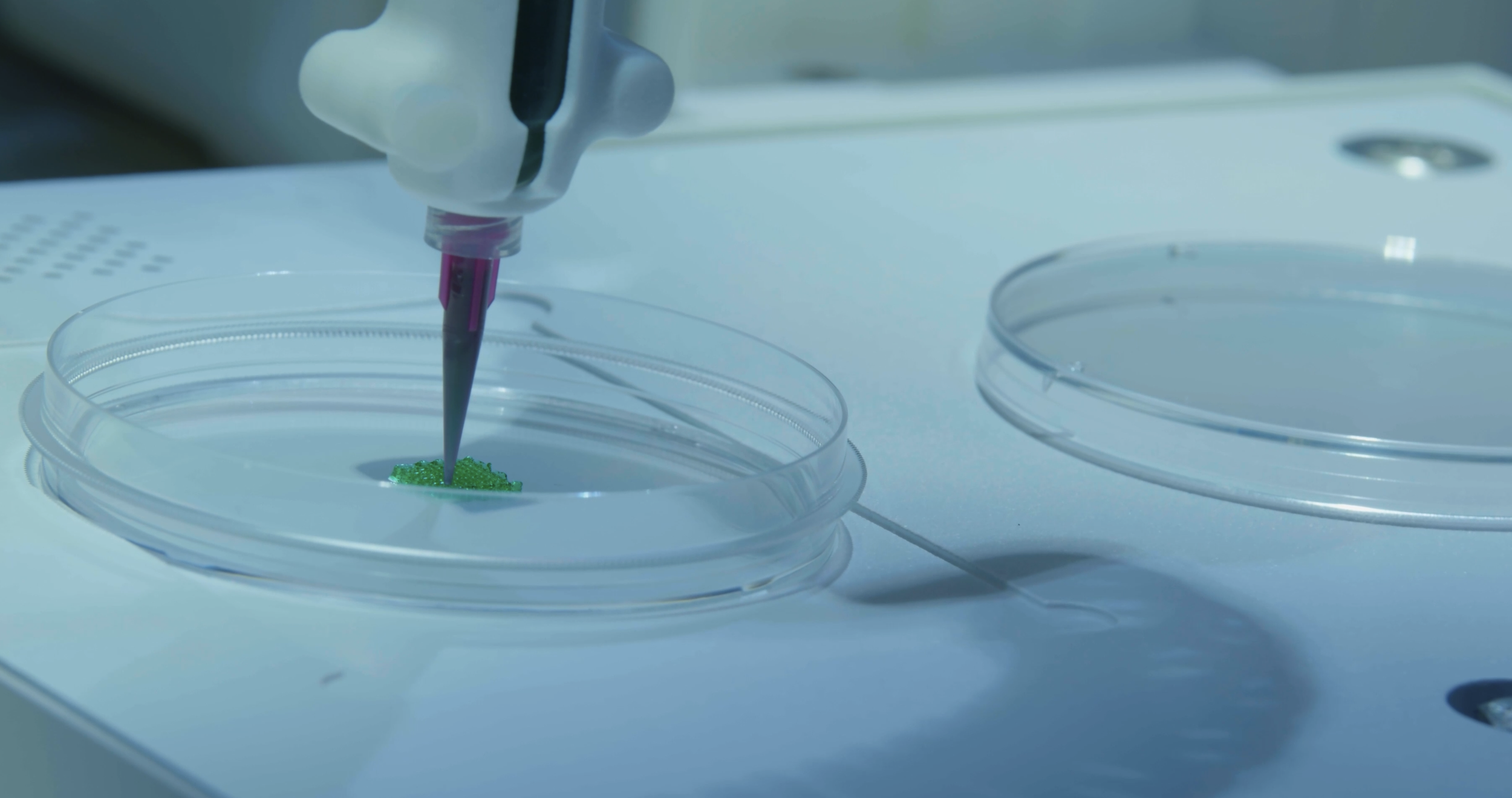
A major challenge in creating cellular models of dementia is the vast difference in physiological relevance between standard 2D cultured neural cells and dementia as it presents in the human brain. By using hydrogels - 3D networks of hydrophilic, cross-linked polymer chains - it is possible to more closely recreate the mechanical and biochemical properties of the natural cell extracellular matrix. At the Nygaard lab we are working to adapt hydrogel methods with 3D bioprinting, allowing us to precisely control placement of cells within a 3D hydrogel structure. Through these methods we can recreate the unique interconnections found in the brain, recreating patient-specific 3D Alzheimer’s models.
Organoid Modelling
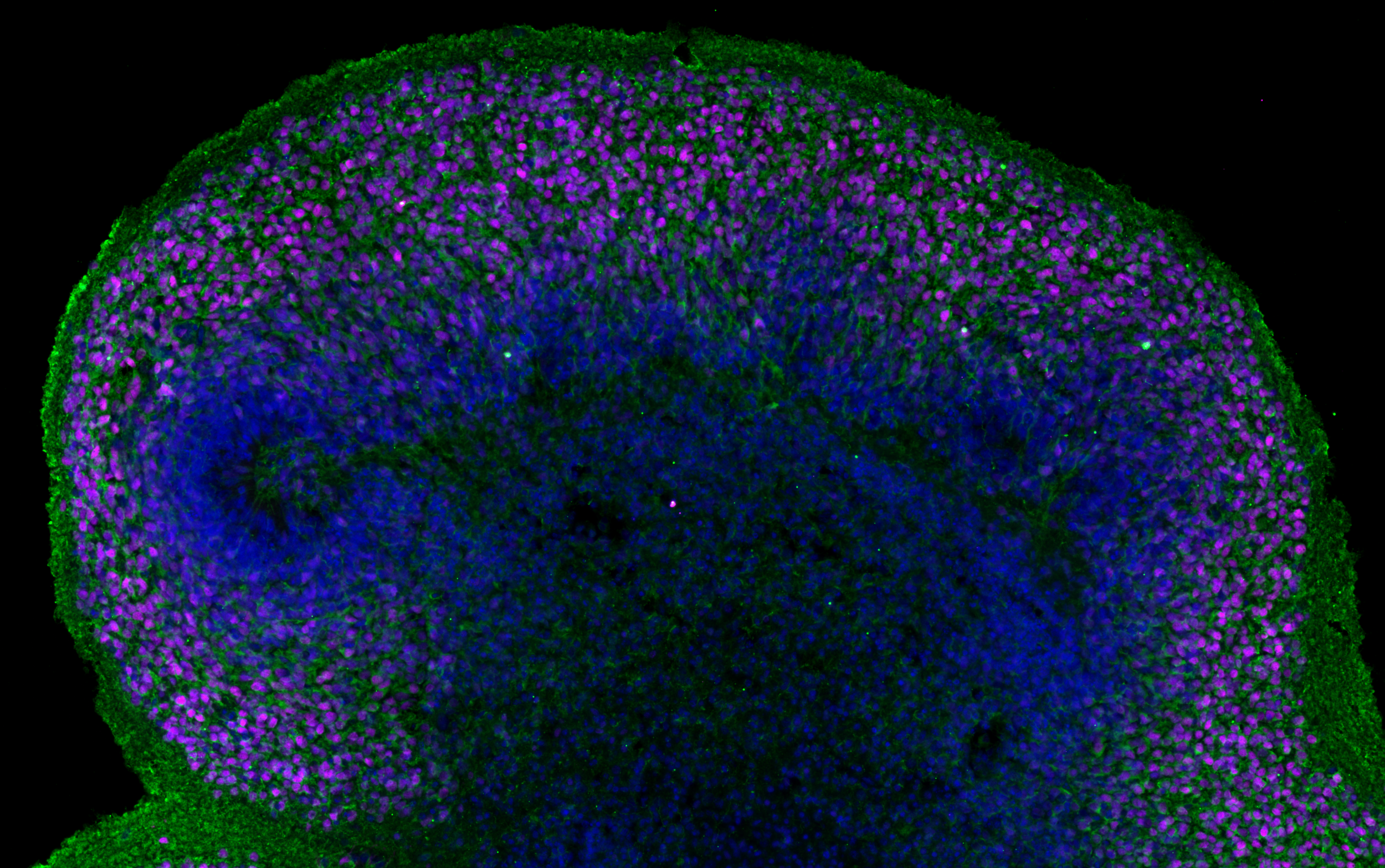
Induced pluripotent stem cells (iPSCs) can be clustered and directed to form tissue that recapitulates different regions of the brain, which are called organoids. In the Nygaard lab, we generate organoids with cortical structures that contain many of the same cell types as that of the cortex in the developing brain.
By using iPSCs derived from patients with AD, we can study the mechanisms underlying the disease while investigating how the various cell types are implicated in an environment similar to that of the real brain.
Animal Models
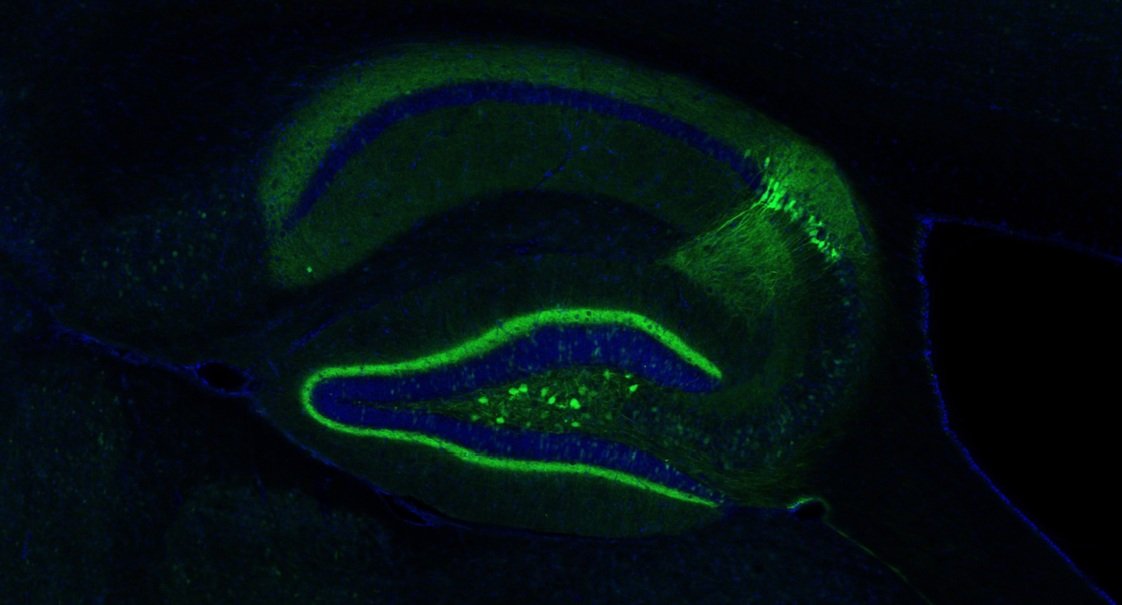
Frontotemporal dementia (FTD) is the second most common form of dementia in young individuals, characterized by impairments in social cognition, language processing and executive function. Heterozygous loss-of-function mutations in the progranulin gene (GRN) are well-known as a major genetic cause of the TDP-43-positive subtype of FTD (FTD-GRN). The role of progranulin in the pathogenesis of FTD is not fully understood but has been shown to be associated with lysosomal dysfunction, impaired neuronal survival, and neuroinflammation. At the Nygaard lab, we are using rodent models of FTD-GRN to investigate how PGRN deficiency causes FTD-related neurodegeneration and perform drug screening.

Clinical Research
As director of the Centre for Alzheimer’s and Related Diseases, Dr. Nygaard heads a number of clinical trials and investigations involving patients who visit the clinic.